Owned Support
Your support team is working well.
For organisations whose support, infrastructure and security responsibilities have become hard to separate, select your biggest pressure to see the structural root cause and the named managed service that fixes it.
UK Sovereign Support
UK-based. UK security-cleared. UK handled. All support is delivered by UK-based, UK security-cleared personnel. Data stays within UK borders. No offshore handling of sensitive information.
What pressure are you under?
99.7%
Average client CSAT
98.9%
First-response target met
Identify
Issue enters service
Own
Named owner assigned
How Assured Digital changes this
One named engineer owns each ticket from intake to close. Gaps in coverage become visible and managed.
Next step - Define service boundaries and name an accountable owner before renewing any support contract.
Resolve
Fix confirmed
Prevent
Pattern removed
Ownership gaps become security and operational risk at the same time.
Own
The breakdown
When multiple teams each assume another owns the network boundary, Microsoft 365 anomalies go unreported and security exceptions accumulate. The failure sits at Own - nobody is formally accountable between triage and resolution.
How we change it
One named engineer owns each ticket from intake to close. Gaps in coverage become visible and managed.
Next step
Define service boundaries and name an accountable owner before renewing any support contract.
Owned Support
Your support team is working well.
Where does ownership break? Select your biggest pressure to see the root cause and the named managed service that fixes it.
What pressure are you under?
Identify
Issue enters service
Own
Named owner assigned
How Assured Digital changes this
One named engineer owns each ticket from intake to close. Gaps in coverage become visible and managed.
Next step - Define service boundaries and name an accountable owner before renewing any support contract.
Resolve
Fix confirmed
Prevent
Pattern removed
Ownership gaps become security and operational risk at the same time.
99.7%
Average client CSAT
98.9%
First-response target met
The breakdown
Own
How we change it
One named engineer owns each ticket from intake to close. Gaps in coverage become visible and managed.
The problem
Most support problems are ownership problems.
Fragmented responsibilities across users, devices, infrastructure and networking create gaps that no single team can see - let alone close. Select a symptom to understand the operational cause and how we address it.
What the customer experiences
Issues sit unresolved for hours. Updates are chased, not given. No single person takes responsibility and the end user is left waiting without knowing who is dealing with the problem.
The underlying cause
Requests land in a shared queue with no assigned owner. When devices, Microsoft 365 and the network sit with separate teams, each assumes another is handling it. Accountability gaps produce delays that better SLAs cannot fix.
How Assured Digital changes it
Every request is assigned to a named owner the moment it arrives. Accountability is structural - not dependent on whoever picks up the phone. You always know who owns the issue and when it will be resolved.
What the customer experiences
The same problem returns - the same device, the same system, the same user. Each time it is treated as a new ticket. Nobody connects the pattern, and nothing is done to prevent the next occurrence.
The underlying cause
Without a monitoring baseline, there is no visibility of recurrence. Resolved tickets are not reviewed against patterns. The service is built to close incidents, not eliminate them.
How Assured Digital changes it
Resolved issues are reviewed for patterns in every service period. Recurring triggers become monitored items and feed into infrastructure or policy changes. The goal is to remove the conditions that create incidents, not just respond to them.
What the customer experiences
Questions about who supports what produce different answers depending on who you ask. Licensing, networking and Microsoft 365 each sit with a different team or contract. Nobody has a complete picture.
The underlying cause
Technology has grown faster than the support model. Each contract was added reactively and covers a slice of the environment. No single supplier owns the whole estate, so gaps fall between contracts rather than into anyone's responsibility.
How Assured Digital changes it
We map the full estate and define ownership boundaries before agreeing scope. Our model is structured around the estate as a whole - not the parts that are convenient to support.
What the customer experiences
Security feels separate from day-to-day support. Devices are re-imaged without a consistent baseline. New starters are onboarded without a conditional access review. The security team and support desk operate in parallel, not together.
The underlying cause
Support and security are treated as different functions with different contracts and different contacts. Security reviews happen separately from support decisions, so controls erode between reviews without anyone noticing.
How Assured Digital changes it
Security alignment is part of how we structure support, not a separate engagement. Device management, access control and endpoint monitoring are built into the service from the start - not added after a review recommends them.
What the customer experiences
Issues sit unresolved for hours. Updates are chased, not given. No single person takes responsibility and the end user is left waiting without knowing who is dealing with the problem.
The underlying cause
Requests land in a shared queue with no assigned owner. When devices, Microsoft 365 and the network sit with separate teams, each assumes another is handling it. Accountability gaps produce delays that better SLAs cannot fix.
How Assured Digital changes it
Every request is assigned to a named owner the moment it arrives. Accountability is structural - not dependent on whoever picks up the phone. You always know who owns the issue and when it will be resolved.
What we own
Clear ownership across your whole estate.
We structure support around three areas of your technology estate. Each area has defined scope, named ownership and direct accountability. Nothing falls between teams.
Users and Devices
Every member of your organisation is a potential support request. We own this layer entirely - from the moment a new starter joins to the moment they leave, including every device, account and access decision in between.
- Remote and on-site helpdesk for all users
- Structured user onboarding and offboarding
- Managed endpoint monitoring and patching
- Microsoft 365 licencing, access and admin
- Conditional access and endpoint security alignment
- User support for Copilot and Microsoft 365 AI feature adoption
Related support pressure
Slow response times and unclear ownership usually start here - when users have no single point of contact and requests land in an unassigned queue.
Why this matters
When this layer has a defined owner, every request has a named person from first contact to resolution. Users stop chasing and engineers stop guessing.
Related
Connects to Infrastructure when device issues trace to network or system problems.
Learn more about Users and Devices
Infrastructure and Systems
Cloud, hybrid or on-premise - we take ownership of the infrastructure layer and the systems running on it. Monitoring comes first. Incidents are caught before users report them, and continuity is maintained across backup, recovery and system health.
- Azure, server and virtualisation support
- Continuous infrastructure and system monitoring
- Backup, recovery testing and continuity management
- Virtual desktop and hosted application support
- Incident response and change management
Related support pressure
Repeat incidents almost always trace to unmonitored infrastructure. Without visibility here, the same underlying conditions keep generating new tickets.
Why this matters
Continuous monitoring means faults are caught before users notice them. Repeat incidents become preventable once their infrastructure cause is visible.
Related
Connects to Managed Networking when infrastructure issues involve connectivity or security boundaries.
Learn more about Infrastructure and Systems
Managed Networking
Networking is the most common ownership gap in mid-market environments. Firewalls, switches and wireless are managed alongside infrastructure and security - not handed to a separate contract that nobody reviews.
- Firewall management, monitoring and patching
- Managed wireless and switch infrastructure
- Network performance and capacity monitoring
- Connectivity resilience and failover
- Secure access and network segmentation
Related support pressure
Networking is the most common ownership gap. When no single supplier owns this layer, security exceptions accumulate and connectivity issues have no clear owner.
Why this matters
Bringing networking under the same ownership as infrastructure removes the gap where most security incidents and connectivity failures originate.
Related
Connects directly to our Cyber Resilience service when network posture informs security controls.
Learn more about Managed Networking
Every member of your organisation is a potential support request. We own this layer entirely - from the moment a new starter joins to the moment they leave, including every device, account and access decision in between.
- Remote and on-site helpdesk for all users
- Structured user onboarding and offboarding
- Managed endpoint monitoring and patching
- Microsoft 365 licencing, access and admin
- Conditional access and endpoint security alignment
- User support for Copilot and Microsoft 365 AI feature adoption
Related support pressure
Slow response times and unclear ownership usually start here - when users have no single point of contact and requests land in an unassigned queue.
Why this matters
When this layer has a defined owner, every request has a named person from first contact to resolution. Users stop chasing and engineers stop guessing.
Connects to Infrastructure when device issues trace to network or system problems.
Learn moreService model
Choose how much ownership you want us to take.
Move from defined support to named ownership and higher-assurance oversight. Each level builds on the one before it.
Standard includes
Everything in Essential,
plus:
- Named engineer ownership
- Proactive monitoring
- Quarterly service reviews
- Incident trend reporting
- Security posture reviews
All Essential features included
Outcome
You get a named owner, proactive monitoring and regular reviews across users, devices and infrastructure.
Recommended for
Organisations with a mixed Microsoft, cloud and endpoint estate that need clearer ownership and proactive service.
Scope confirmed through a scoping conversation
Clear accountability
One owner. No more finger pointing.
Proactive by default
Issues caught early. Impact reduced.
Visible performance
Regular reporting you can act on.
Stronger security
Built-in posture and resilience.
How it works
Six stages. Each one owned. None of them skipped.
Most support desks stop at resolution. We structure the service through six defined stages - ending with the actions that stop incidents recurring. Select any stage to see who owns it, what the customer sees, what evidence is recorded and how it reduces recurrence.
The difference
Assured Digital does more than close tickets.
The Learn and Prevent stages turn incident data into infrastructure change - removing the conditions that caused the problem.
What happens
A user reports an issue via the service desk - phone, email or portal. The request is logged with full context and ownership is assigned immediately. There is no anonymous queue.
Who owns it
Assured Digital service desk. A named owner is assigned at point of contact, not after triage.
What the customer sees
An acknowledgement with a reference number and the name of the person responsible. No chase calls needed.
Evidence recorded
Full issue context, device identity, user history and environment details are captured on first contact and attached to the record.
How it reduces recurrence
Structured intake means every incident is traceable from the moment it is raised - creating the data needed to identify patterns later.
What happens
The issue is assessed against your live environment data. Priority is determined by operational impact, not by when the ticket arrived. Known patterns are checked immediately.
Who owns it
Assigned service desk engineer, with estate context already loaded.
What the customer sees
A priority assessment and an expected response path within minutes. No repetition of information already provided.
Evidence recorded
Impact priority, affected systems, related recent incidents and any previous pattern matches are recorded against the ticket.
How it reduces recurrence
Checking known patterns at triage means repeat issues are flagged before resolution - not discovered weeks later in a review.
What happens
The owning engineer takes full responsibility for resolution. If specialist knowledge is needed, it is brought in without changing the user's point of contact. The user never re-explains.
Who owns it
The same named engineer retains ownership through resolution. Escalation is invisible to the end user.
What the customer sees
A single point of contact for the duration. Updates come proactively, not in response to chasing.
Evidence recorded
All actions taken, contacts made and vendor engagements are logged against the record - maintaining a complete audit trail.
How it reduces recurrence
Single-owner accountability means nothing is lost during handoffs. If the same issue recurs for the same user, the full history is immediately visible.
What happens
Remote or on-site resolution with clear communication at each stage. The fix is confirmed with the user before the ticket is closed. No closure without confirmation.
Who owns it
Assigned engineer. On-site resource is arranged if remote resolution is not sufficient.
What the customer sees
A confirmed resolution with a clear description of what was done. A closure summary is provided for the record.
Evidence recorded
Resolution method, root cause indicators and fix details are recorded in full - not just a status change to 'closed'.
How it reduces recurrence
Root-cause recording at closure is what makes the Learn stage possible. Tickets closed without a cause note cannot contribute to pattern analysis.
What happens
Resolved issues are reviewed for patterns in each service period. Incidents that recur across users or systems are flagged as monitored items. Nothing stays invisible.
Who owns it
Assured Digital service management. Pattern analysis is built into the service review, not a separate engagement.
What the customer sees
Recurring issues surface in the service review report with a clear explanation of what is being tracked and why.
Evidence recorded
Pattern flags, frequency counts, affected systems and root-cause commonalities are documented in the service review record.
How it reduces recurrence
This is where incidents become intelligence. Without a structured Learn stage, patterns stay invisible and the same issues keep returning.
What happens
Identified patterns are addressed at the infrastructure or policy layer. The condition that allowed the issue is removed, not managed. This is where reactive support ends.
Who owns it
Assured Digital service management in partnership with the customer. Changes are agreed before implementation.
What the customer sees
A proposed change with a clear rationale. You see the problem, the evidence and the proposed fix - and approve it before it happens.
Evidence recorded
Prevention actions, agreed changes and implementation outcomes are recorded. The fixed condition is added to monitoring so recurrence is confirmed not to return.
How it reduces recurrence
Prevention closes the loop. The infrastructure or policy change removes the condition permanently - the incident cannot recur in the same way.
- 01
Report
A user reports an issue via the service desk - phone, email or portal. The request is logged with full context and ownership is assigned immediately. There is no anonymous queue.
Assured Digital service desk. A named owner is assigned at point of contact, not after triage.
Reduces recurrence
Structured intake means every incident is traceable from the moment it is raised - creating the data needed to identify patterns later.
- 02
Triage
The issue is assessed against your live environment data. Priority is determined by operational impact, not by when the ticket arrived. Known patterns are checked immediately.
Assigned service desk engineer, with estate context already loaded.
Reduces recurrence
Checking known patterns at triage means repeat issues are flagged before resolution - not discovered weeks later in a review.
- 03
Own
The owning engineer takes full responsibility for resolution. If specialist knowledge is needed, it is brought in without changing the user's point of contact. The user never re-explains.
The same named engineer retains ownership through resolution. Escalation is invisible to the end user.
Reduces recurrence
Single-owner accountability means nothing is lost during handoffs. If the same issue recurs for the same user, the full history is immediately visible.
- 04
Resolve
Remote or on-site resolution with clear communication at each stage. The fix is confirmed with the user before the ticket is closed. No closure without confirmation.
Assigned engineer. On-site resource is arranged if remote resolution is not sufficient.
Reduces recurrence
Root-cause recording at closure is what makes the Learn stage possible. Tickets closed without a cause note cannot contribute to pattern analysis.
- 05
Learn
Resolved issues are reviewed for patterns in each service period. Incidents that recur across users or systems are flagged as monitored items. Nothing stays invisible.
Assured Digital service management. Pattern analysis is built into the service review, not a separate engagement.
Reduces recurrence
This is where incidents become intelligence. Without a structured Learn stage, patterns stay invisible and the same issues keep returning.
- 06
Prevent
Identified patterns are addressed at the infrastructure or policy layer. The condition that allowed the issue is removed, not managed. This is where reactive support ends.
Assured Digital service management in partnership with the customer. Changes are agreed before implementation.
Reduces recurrence
Prevention closes the loop. The infrastructure or policy change removes the condition permanently - the incident cannot recur in the same way.
Customer evidence
Organisations that changed how they think about support.
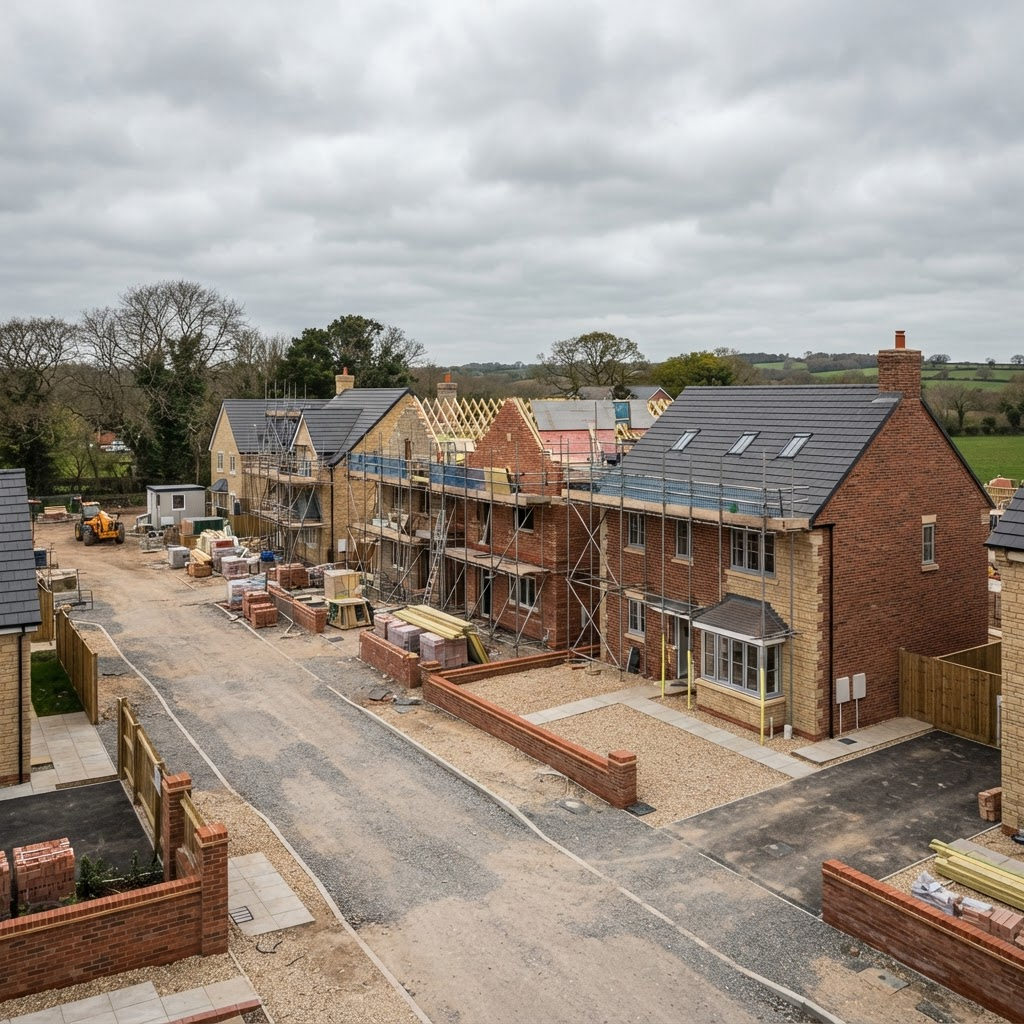
“They are more than just a helpline, they understand how we work and are always looking at ways to improve our IT to keep us working as efficiently as possible.”
Summerfield Developments — managed IT support customer
Recommended starting point
Start with a scoping conversation.
Before recommending a service, we talk through your technology estate, ownership gaps and priorities. No obligation to proceed.
Scope and priorities are confirmed before any recommendation is made.
What happens next
- 01Book onlineSelect a date and time that works for you. The process takes under 10 minutes.
- 02We arrange a site reviewAn engineer visits your offices to map your estate, devices and support arrangements directly.
- 03Receive your written reportA clear findings report lands within five working days. We walk through it with you in a follow-up call.
Review
- Users, devices and endpoints
- Microsoft 365 environment
- Infrastructure and systems
- Networks and connectivity
- Existing support arrangements
- Ownership gaps and recurring problems
Receive
- Independent view of the current estate
- Clear priority gaps and ownership blind spots
- Recommended service scope
- Practical improvement roadmap
Connected services
The services that work alongside Digital Support.